Content at volume, still on brand
A pipeline from script to published video: research, images, voice, music, edit, upload. Ten videos a week from one queue.
Generative AI Pipeline Engineer
Script, image, voice, video, publish. I build the whole chain in Python and run it on one GPU, every day.
A pipeline from script to published video: research, images, voice, music, edit, upload. Ten videos a week from one queue.
Fixed face, body, room and props across photos and video, with references, LoRA training and reference-driven video models.
Scenes generated around the real product, with the label and shape kept intact, checked frame by frame.
Graphs driven from Python, a GPU queue, retries, and gates that reject bad frames before a human sees them.
Agents on Ollama models with tool routing, guardrails and benchmarks, so a cheap model still gets the job done.
Everything above runs on a consumer card: no per-image fees, no client material leaving the machine.
ComfyUIZ-ImageKrea 2Qwen-Image EditMiniMax H3LTX VideoLoRA trainingYuE musicTTS and voice cloningWhisper
PythonFastAPIFlaskaiogram 3SQLAlchemyPlaywrightffmpegpytestElectron
Ollamagemma4function callingRAG on Chromaevals and benchmarksClaude Code
LinuxOracle CloudsystemdCaddyGitHubYouTube Data APIMeta Graph APITelegram Bot API
After EffectsPremiere ProPhotoshopFigmaten years of motion and video
An experiment I run in public. Niches picked from data, a pipeline built for each, decisions taken from YouTube Analytics. The Partner Program threshold is not reached yet.

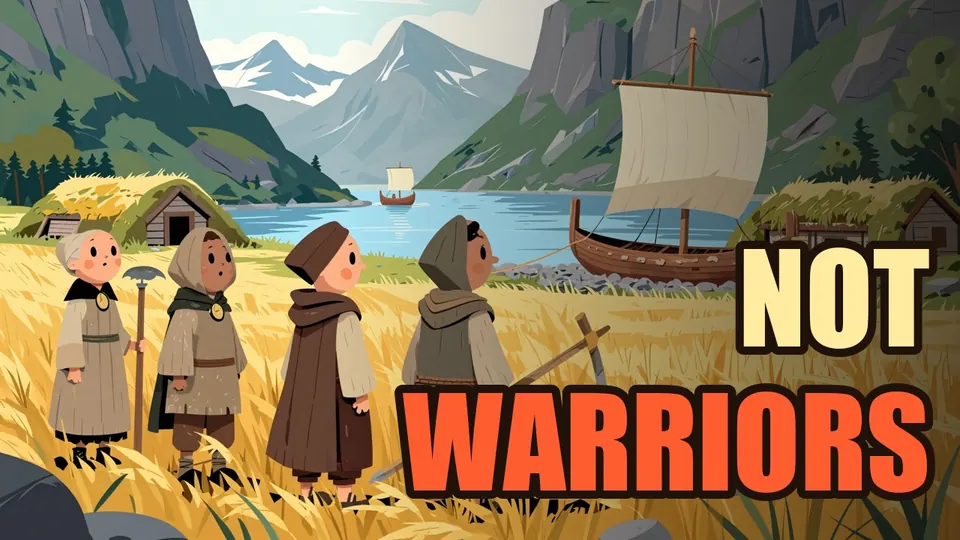
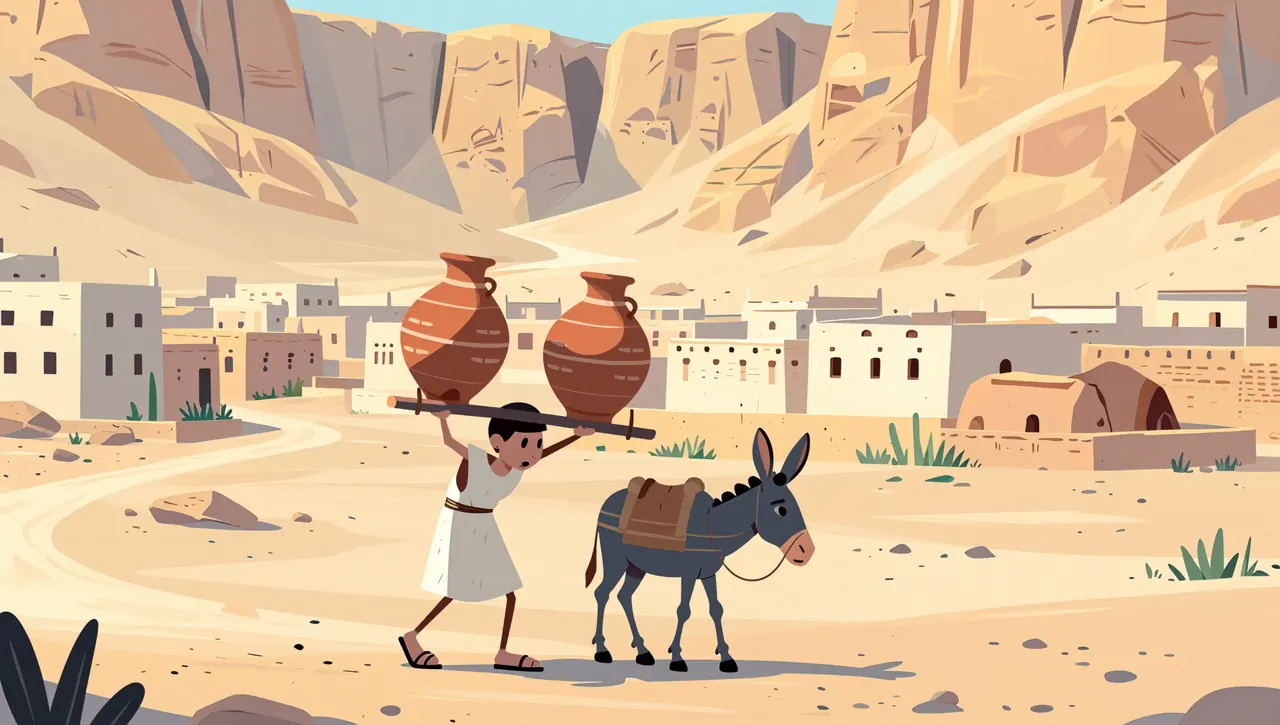
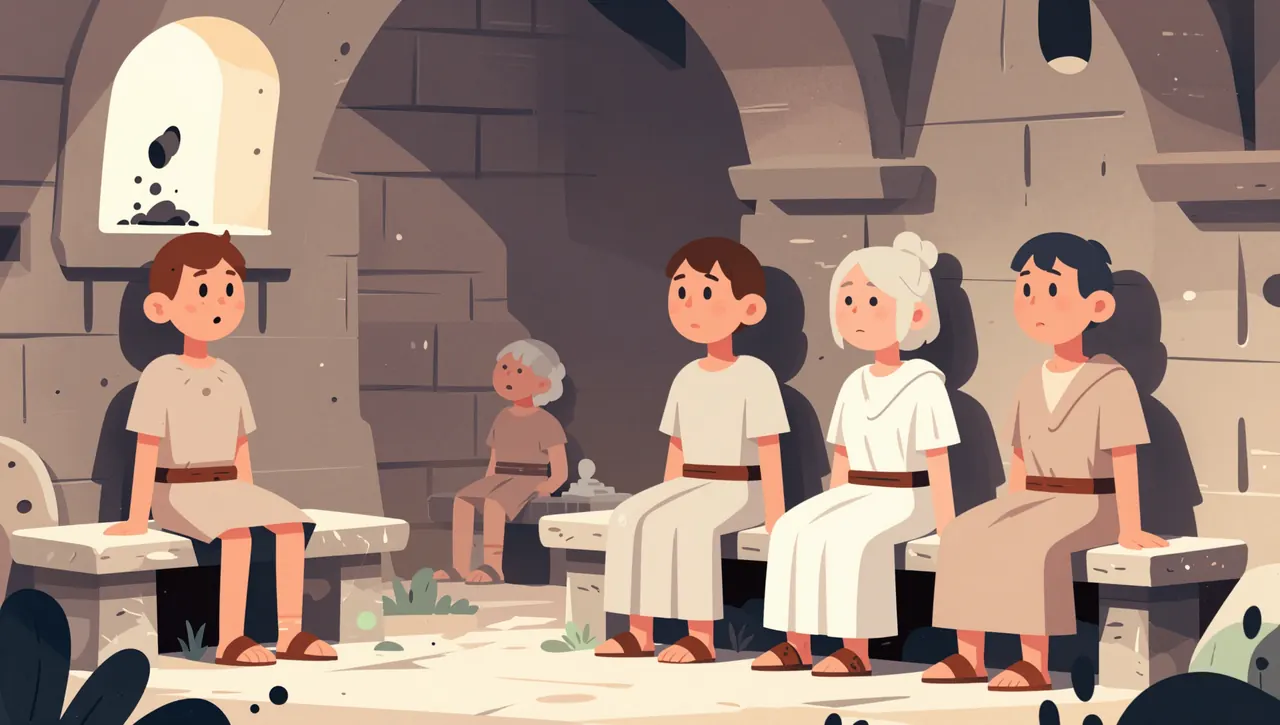
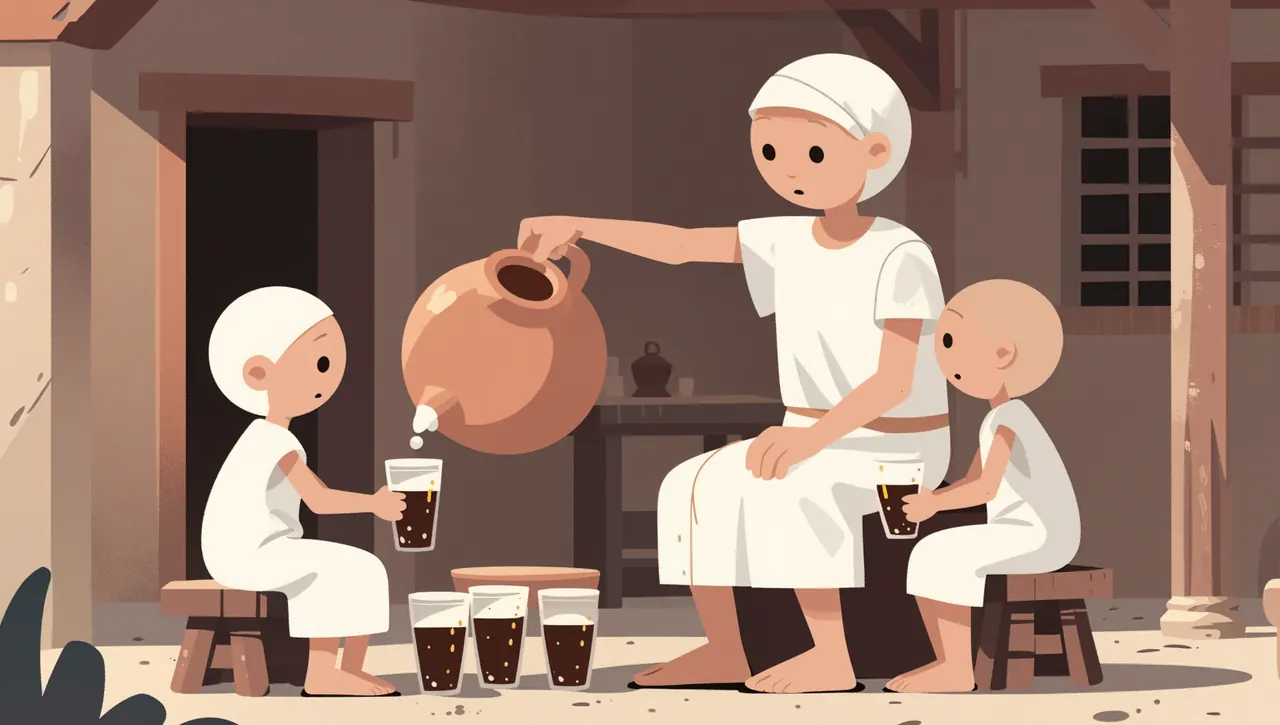
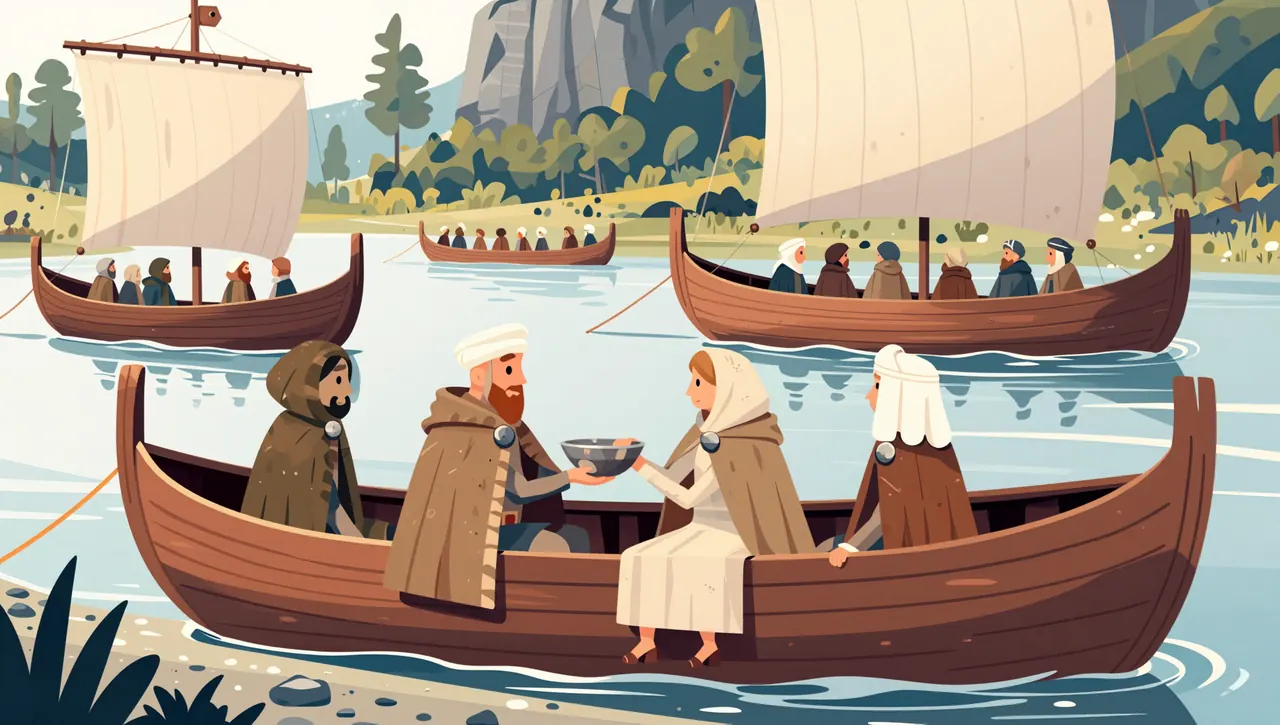
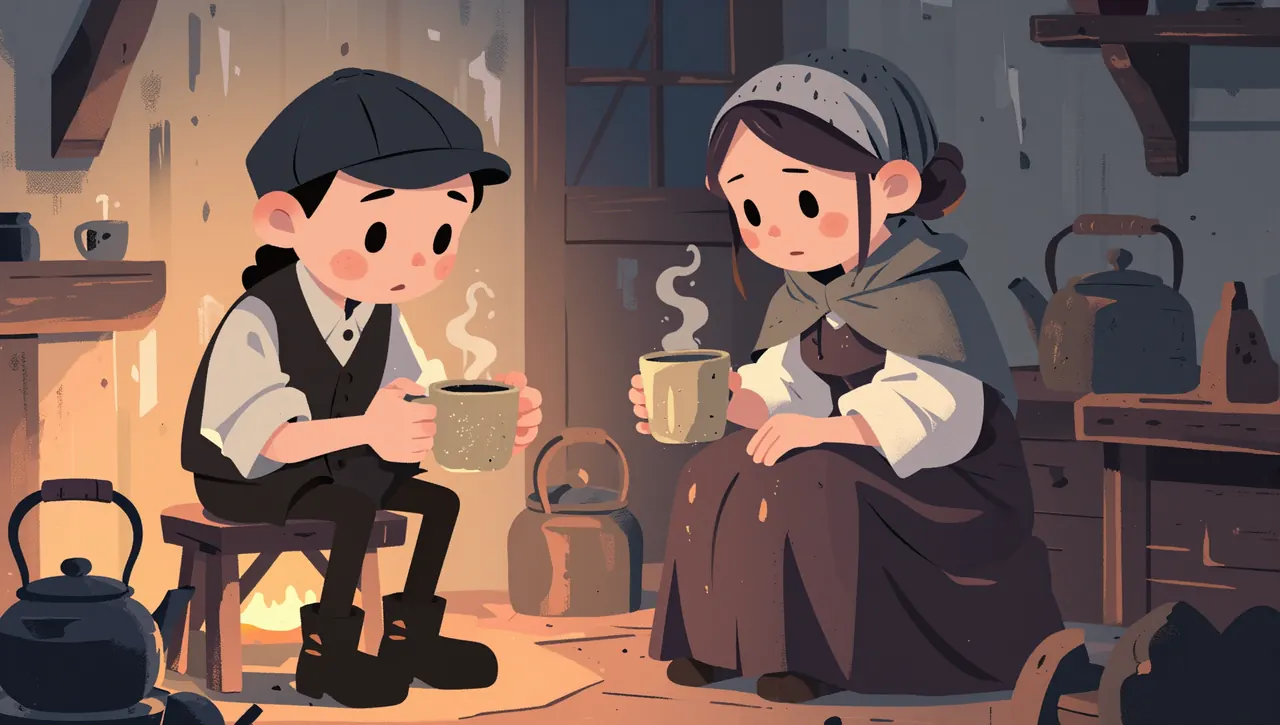
Seven films of 15 to 23 minutes about ordinary life in the past. Script from checked sources, flat illustrated style, my own fact gate.
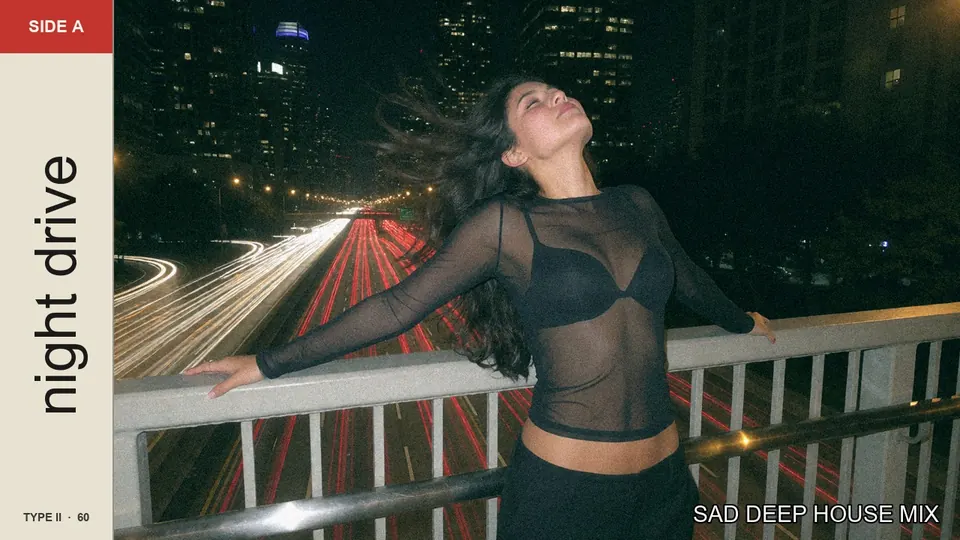
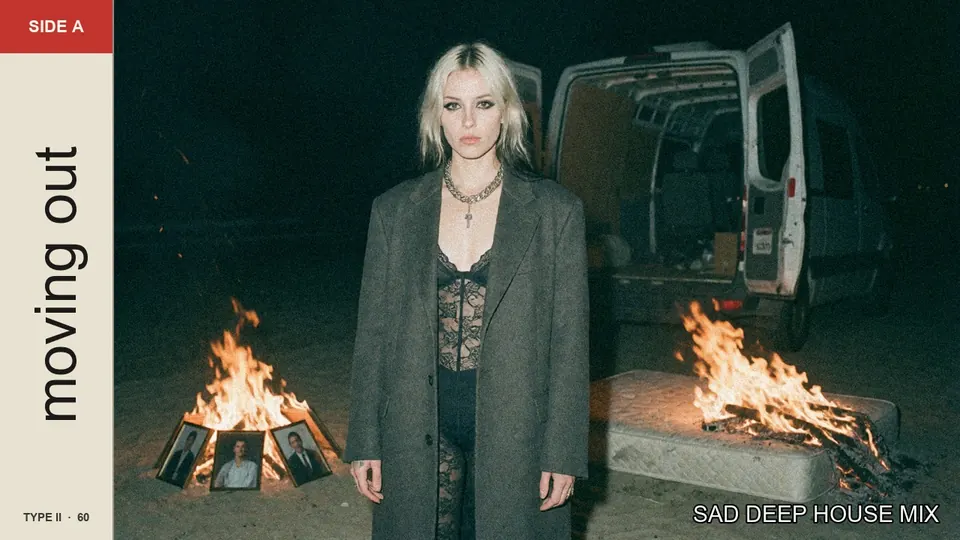
Eight mixes of 36 to 60 minutes. Every song written, sung and mastered by models, every cover a seamless animated loop.
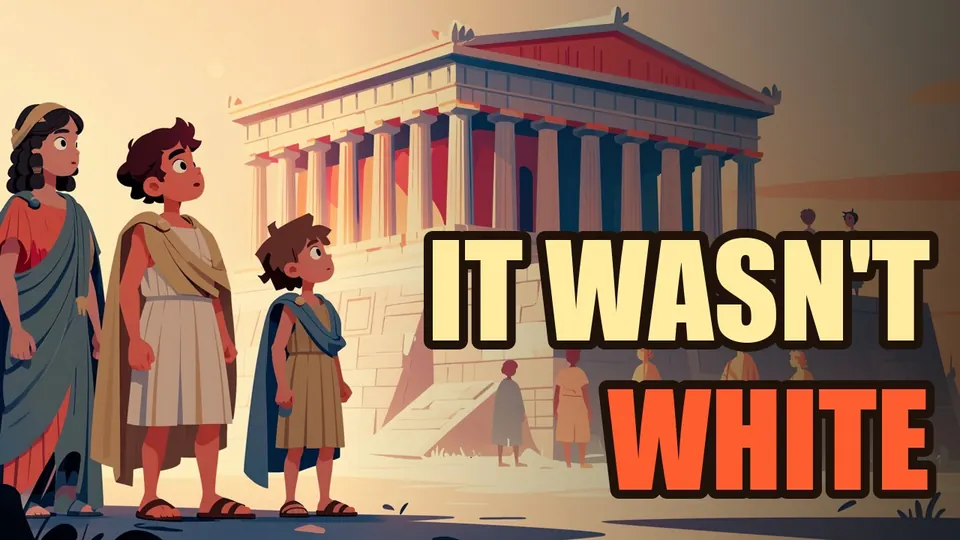
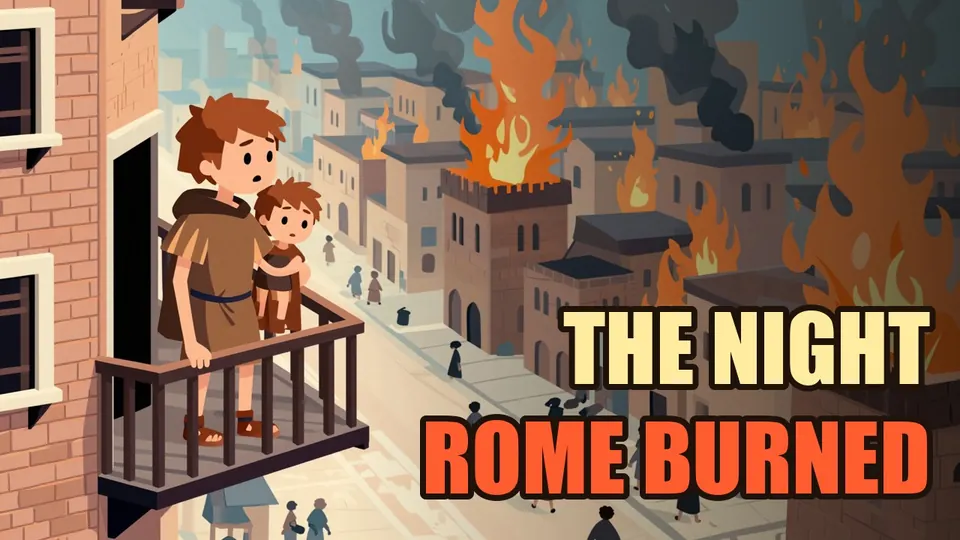
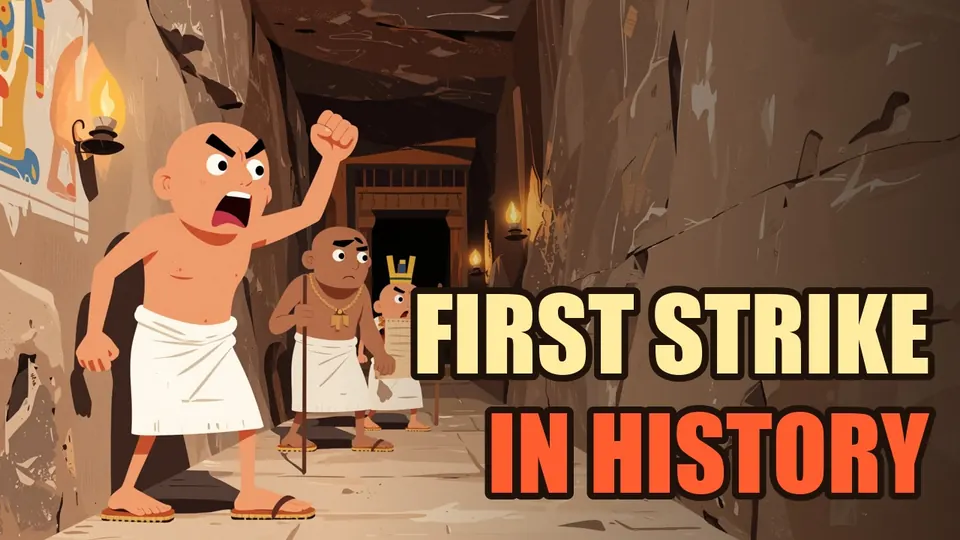
Plus 18 horror shorts on a third channel. Weekly output is about ten videos, produced by the same queue on the same card.
How What Did Medieval Peasants Actually Do All Day? was made. Every number below comes from that run's logs.
My agent collects facts with citations. A gate flags weak claims before the script: they drank ale because water was unsafe
was stopped here.
Narration written chapter by chapter. Paragraphs become the beats the storyboard splits into scenes.
{
"id": 10,
"chapter": "Before dawn",
"cast": ["MOTHER"],
"subject": "kneeling by the hearth,
spreading ash over embers",
"time_of_day": "night",
"seconds": 12.0
}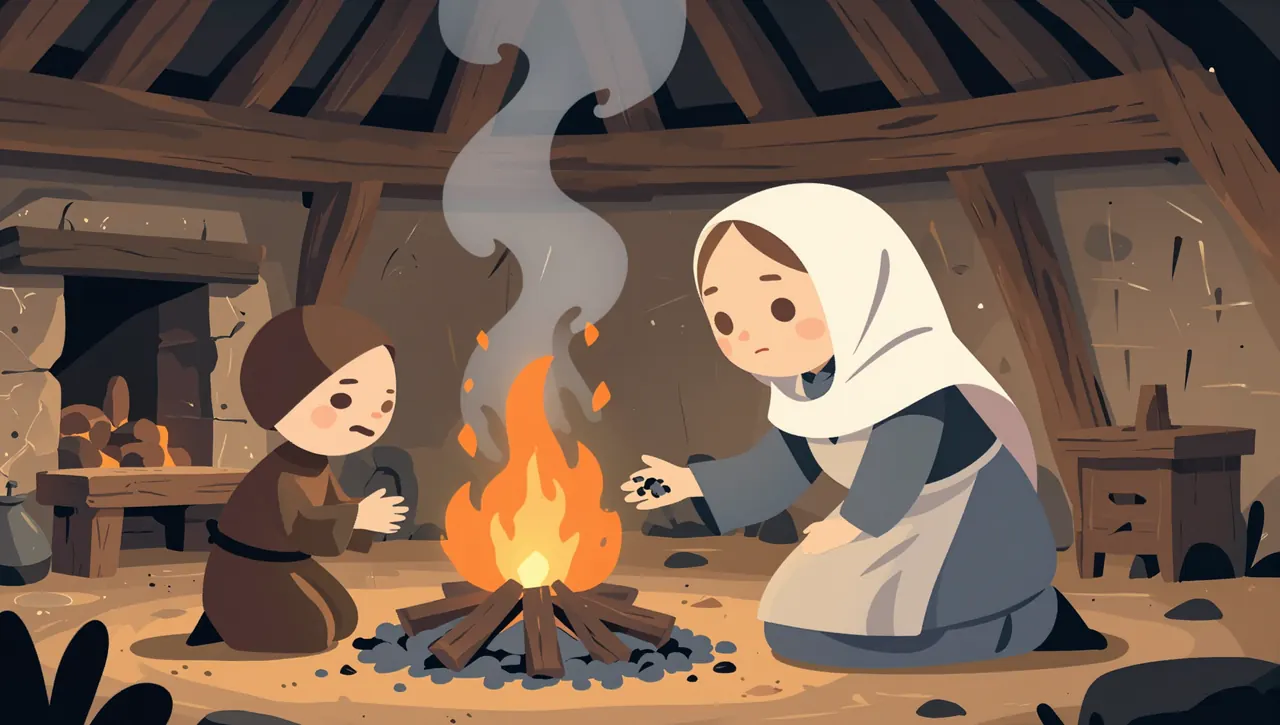 illustrate
Z-Image Turbo with a flat style LoRA, the same characters in every scene.
Each chapter is voiced, transcribed back and compared with the script. A chapter above the limit is redone automatically.
An instrumental is generated per episode. A check rejects any take where the model started singing.
Clips, subtitles, chapters and loudness assembled by code. Items left for a human to review: zero.
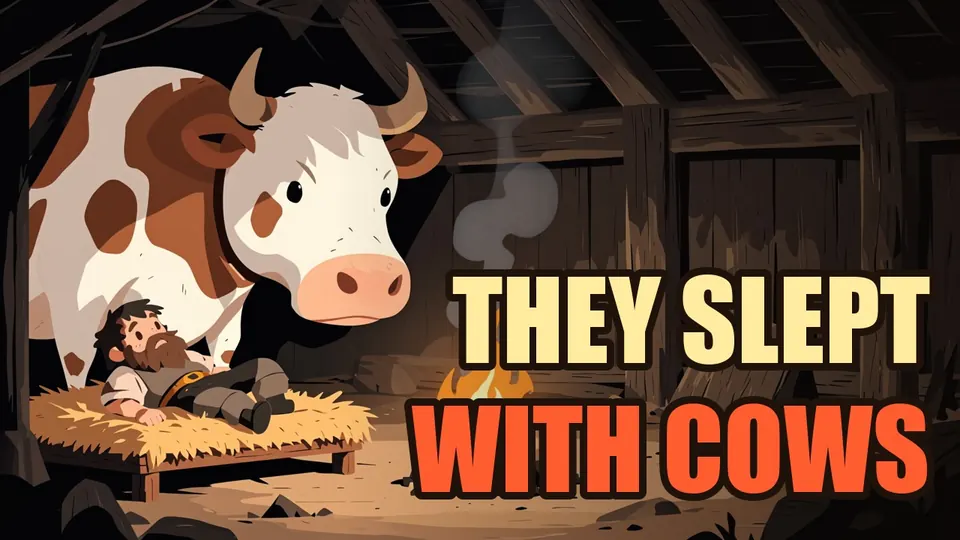 publish
Title, chapters, sources, cover and AI disclosure set by the uploader, then it goes live on time.
Own product, since May 2026
A desktop assistant on local models. It researches, writes code, runs the tools and checks its own answers. Every gate in it came from a real failure and is locked by a test.
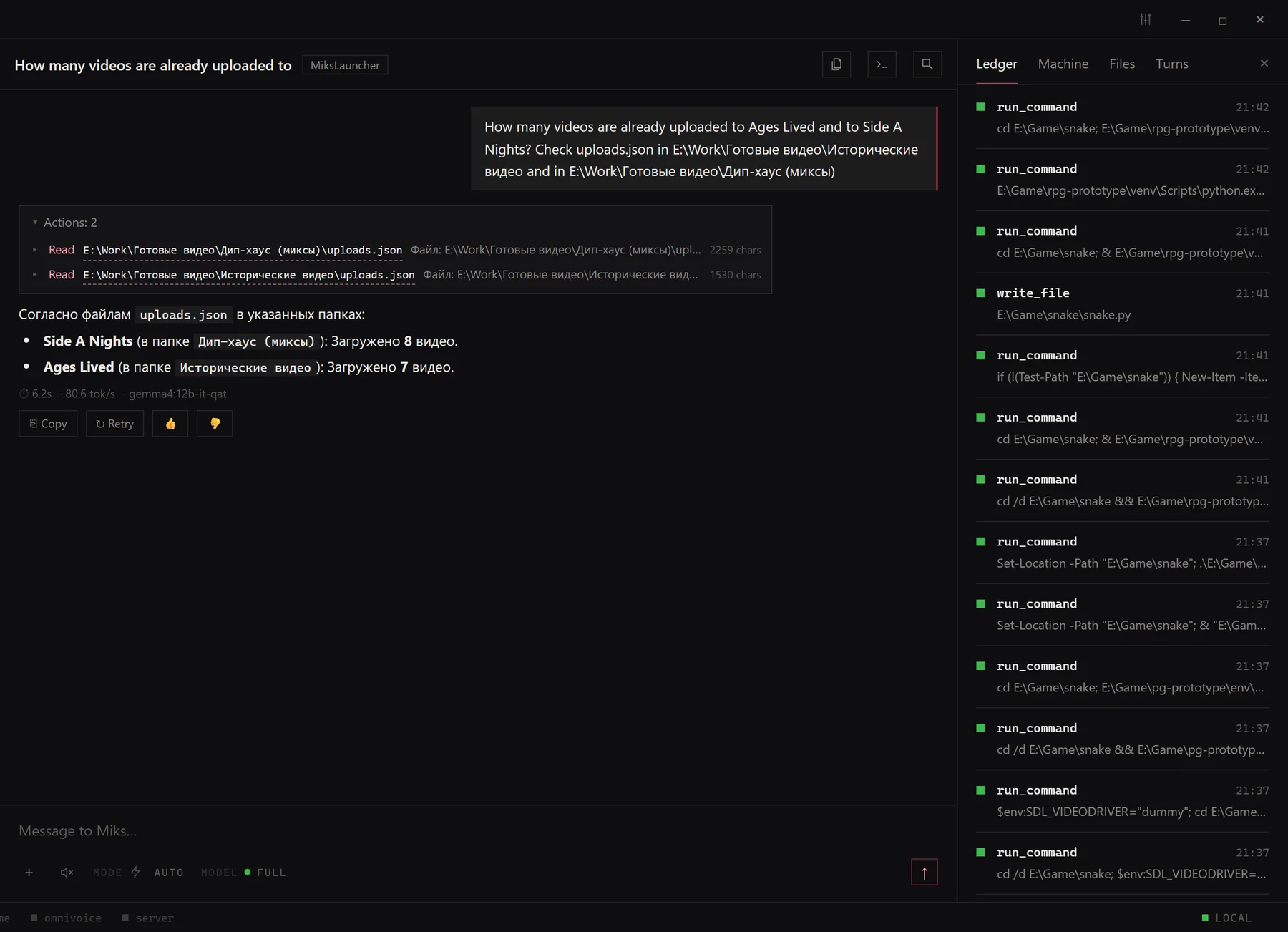
Most of my code is written together with AI coding agents: Claude Code and my own Miks. I set the goal, review every diff and measure the result. Tests decide what ships.
commits in Miks made in a pair with an AI agent. The other 89 by hand.
tests and a pre-commit hook. An agent's change that breaks one does not land.
tool calls out of 35: a Russian prompt cost a small model real calls. Measured on a bench, then fixed.
design decisions written down as notes, so a rejected idea never gets proposed twice.
This page was built the same way: one afternoon, an agent at the keyboard, me deciding and checking every screen.

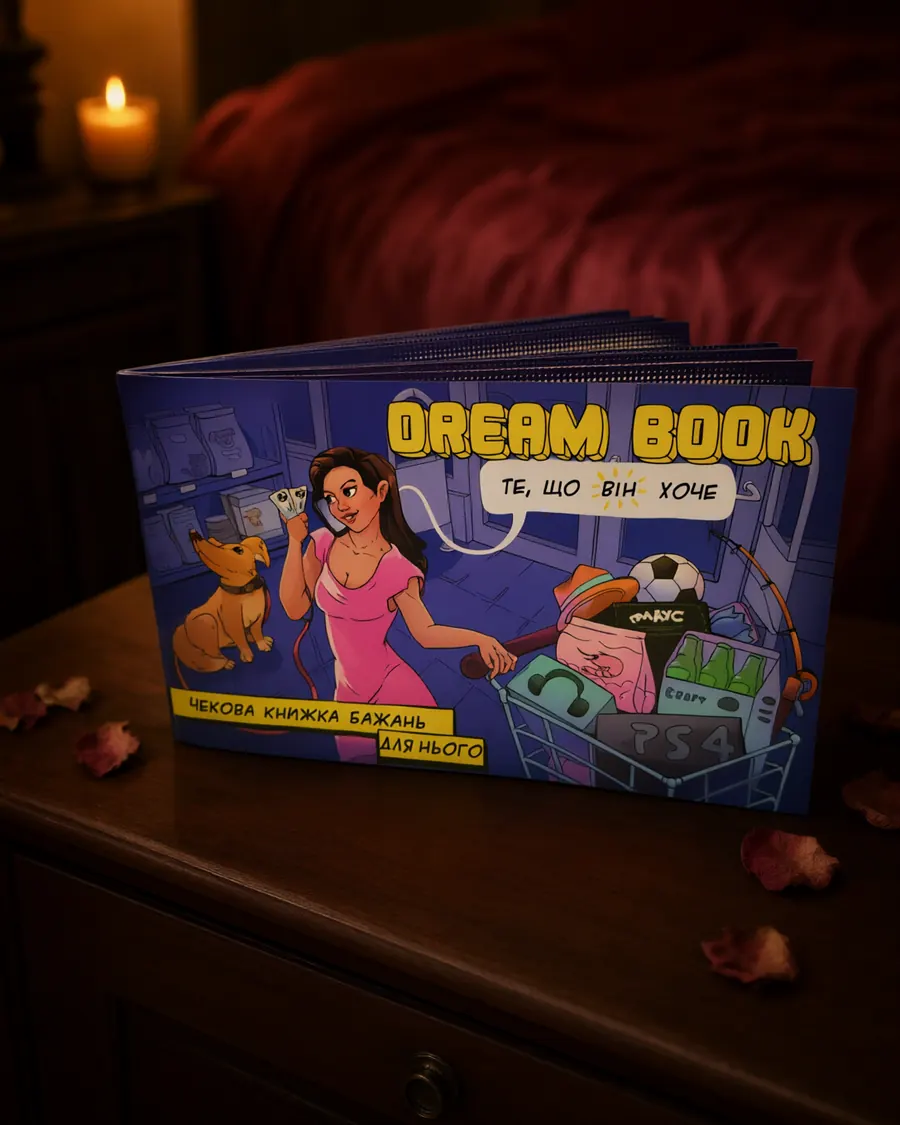
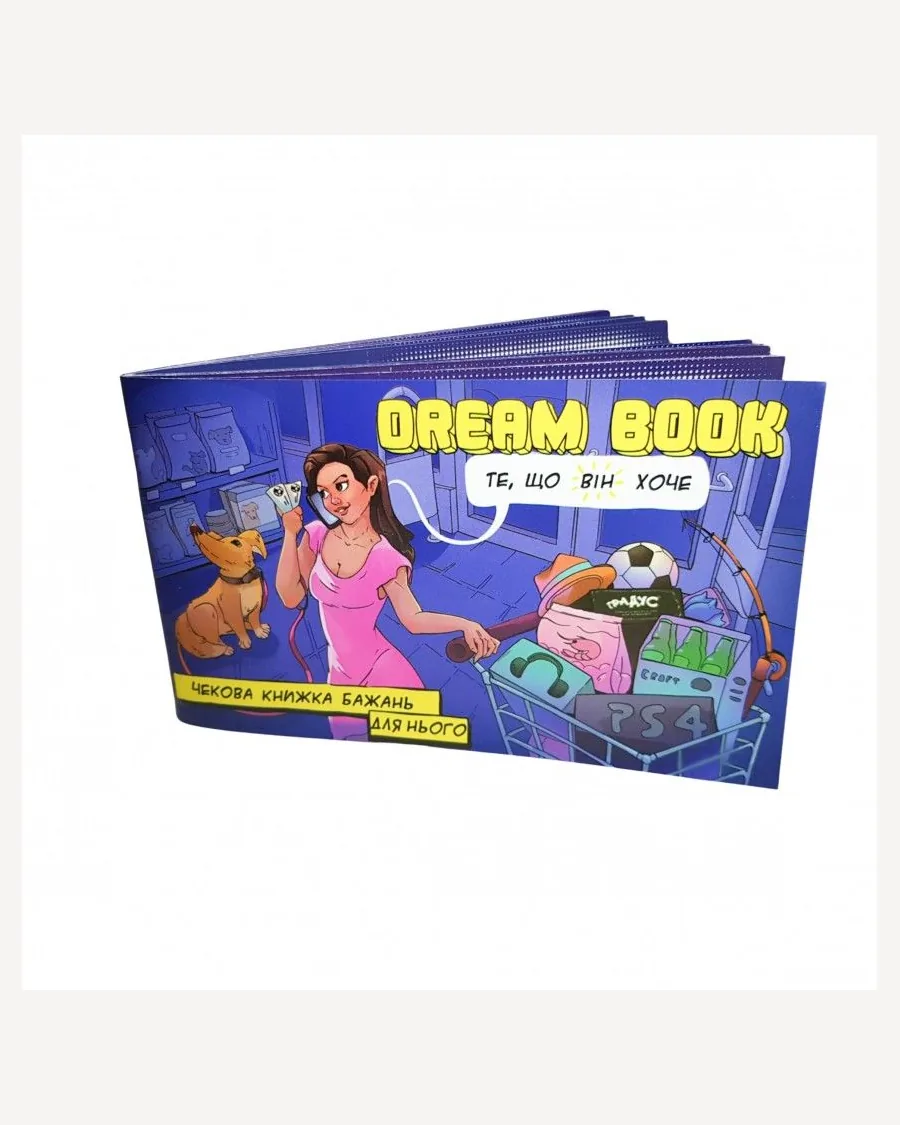

Kiss & Tell, an adult wellness brand in Ukraine (18+). I built it alone: the shop, the content and the posting.
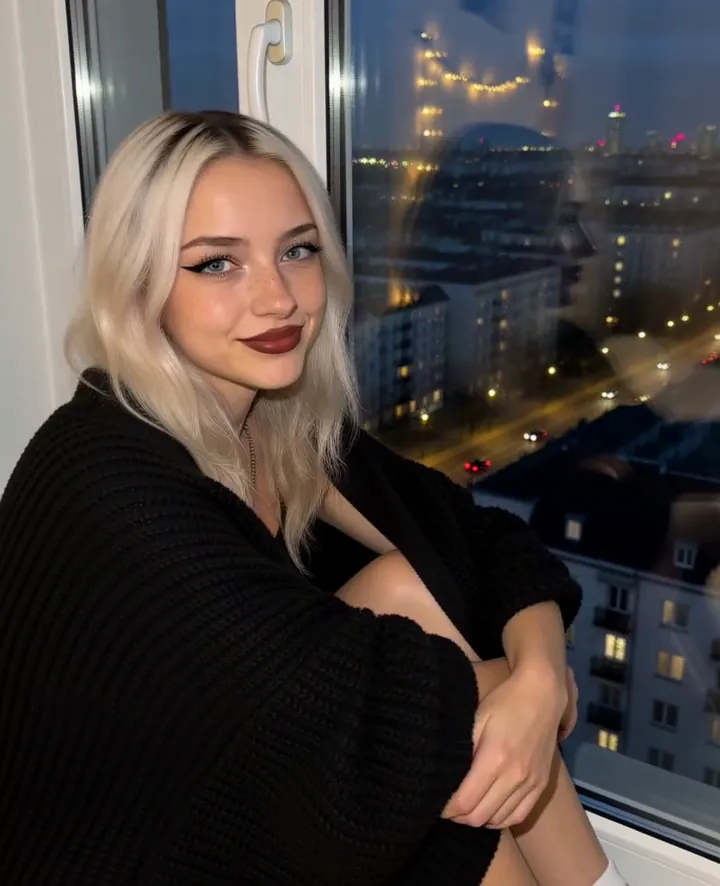
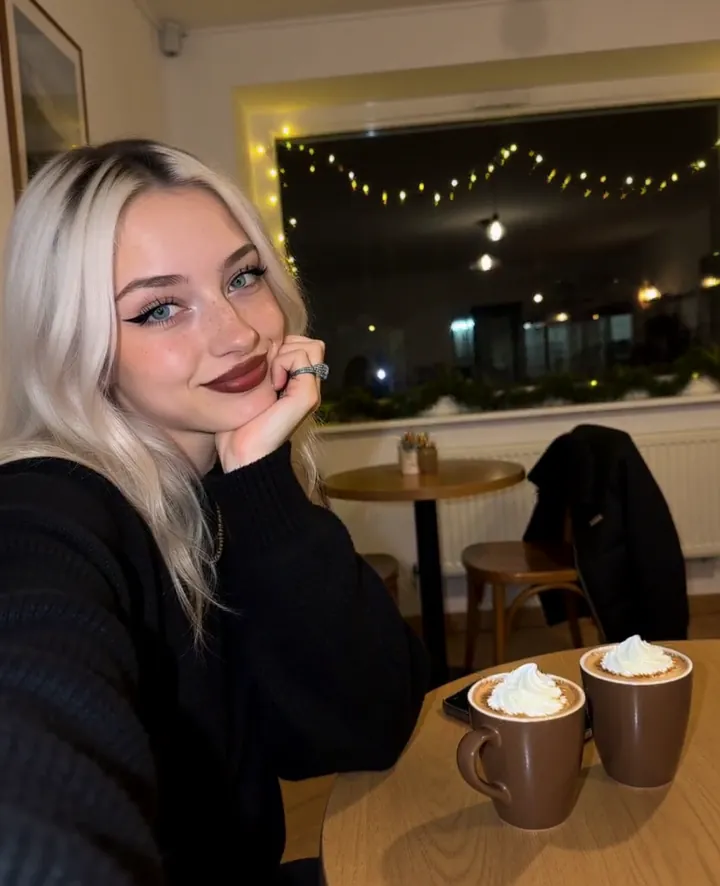
The store's brand ambassador is an AI character I designed: her face, body, apartment and even her phone are fixed references. She posts on Threads in her own voice and stars in the reels.
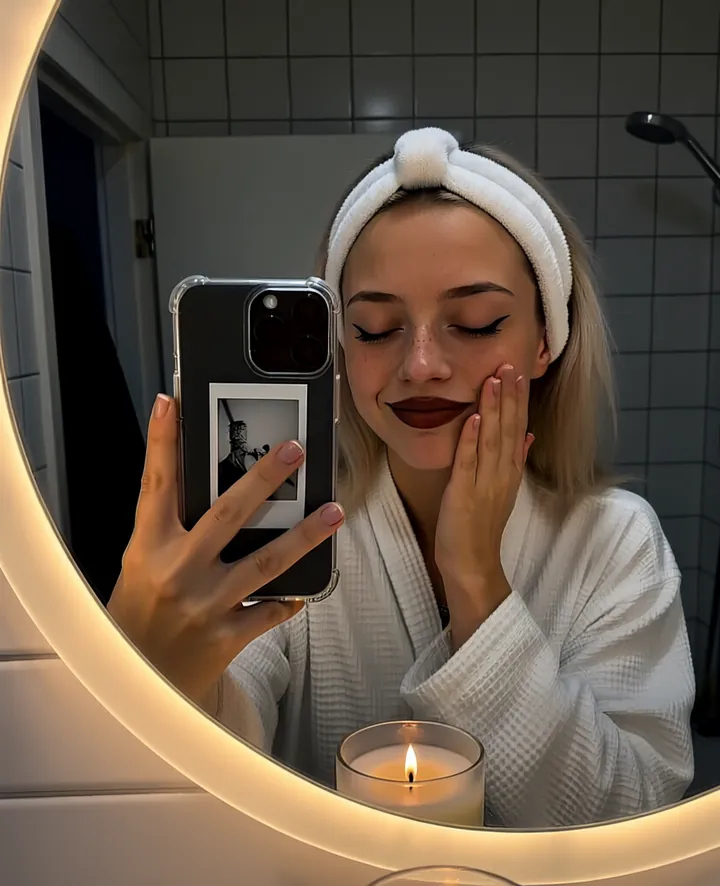
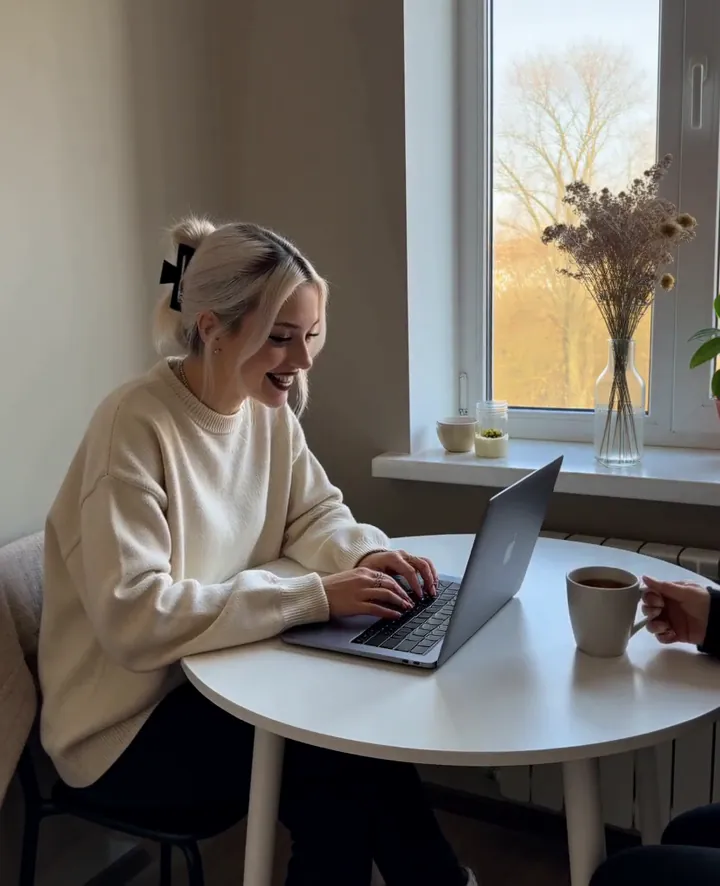
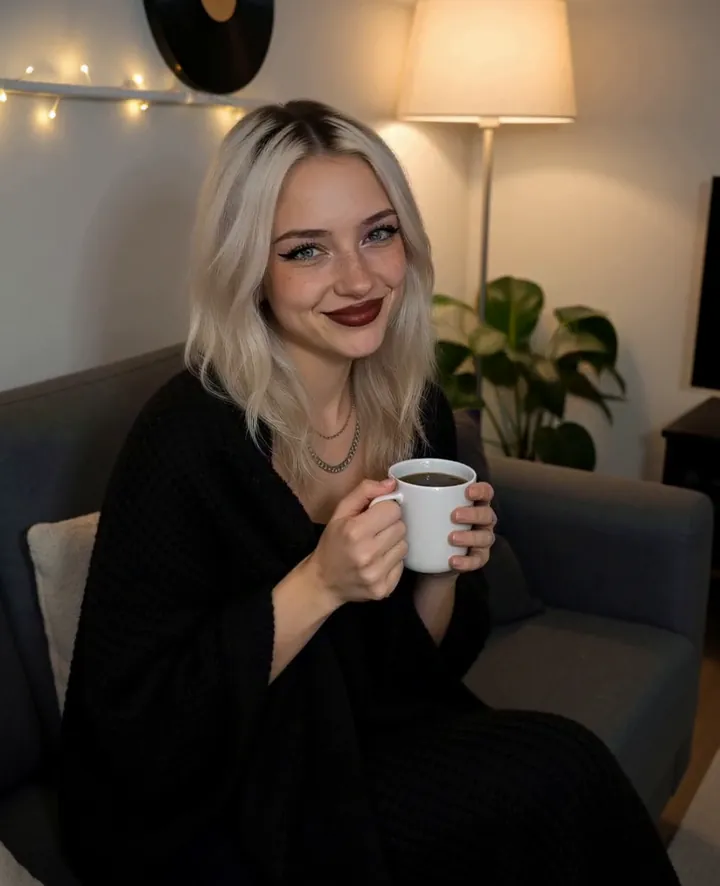
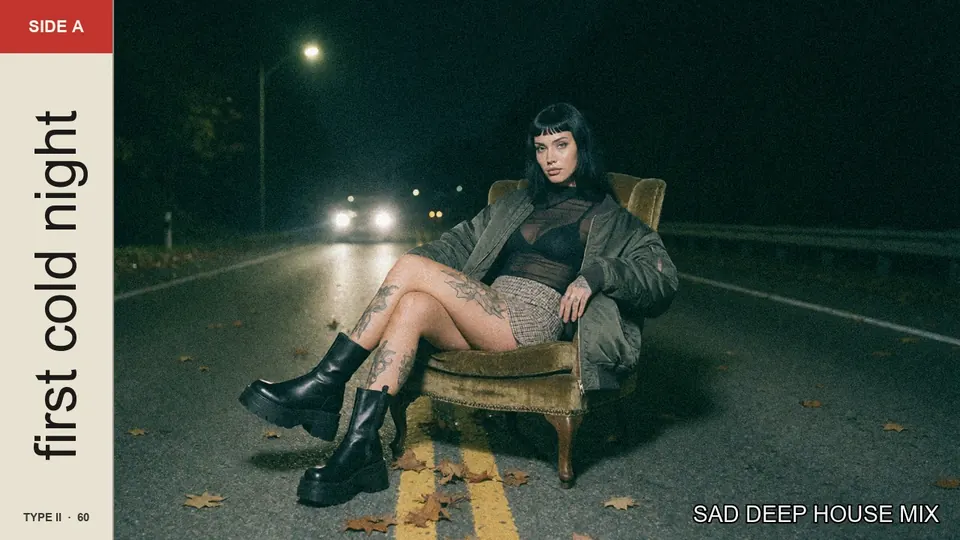

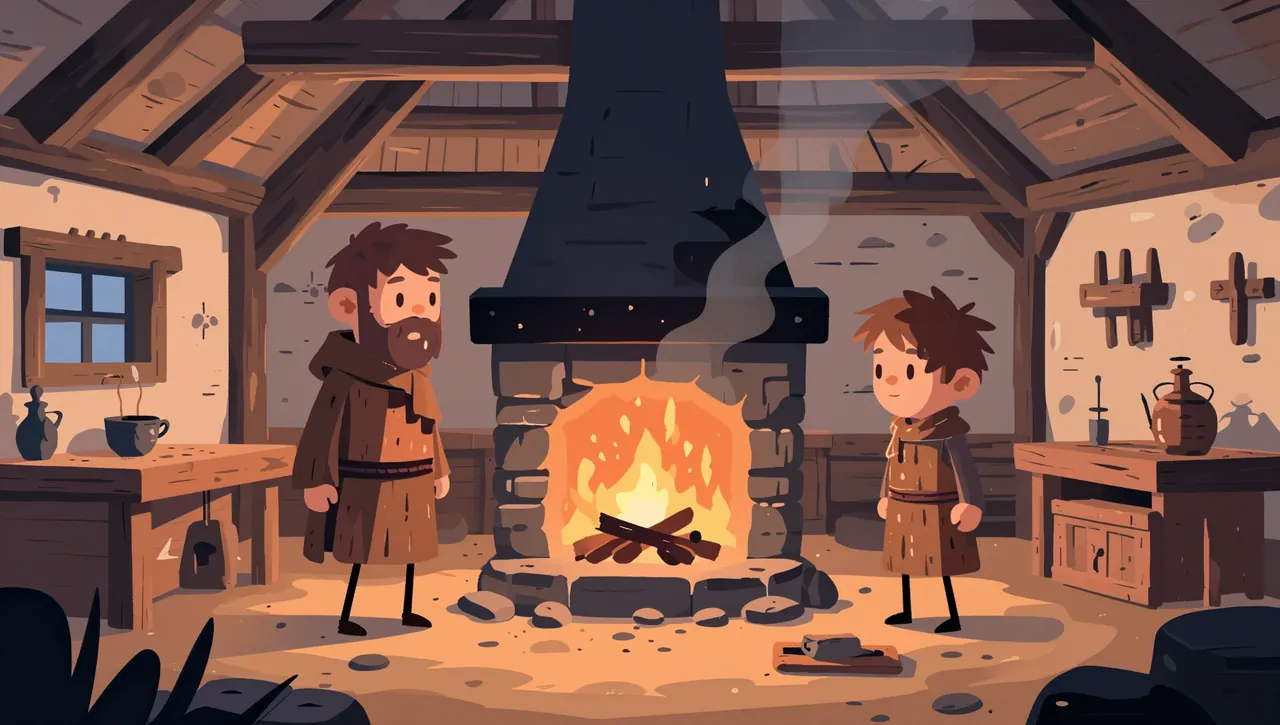
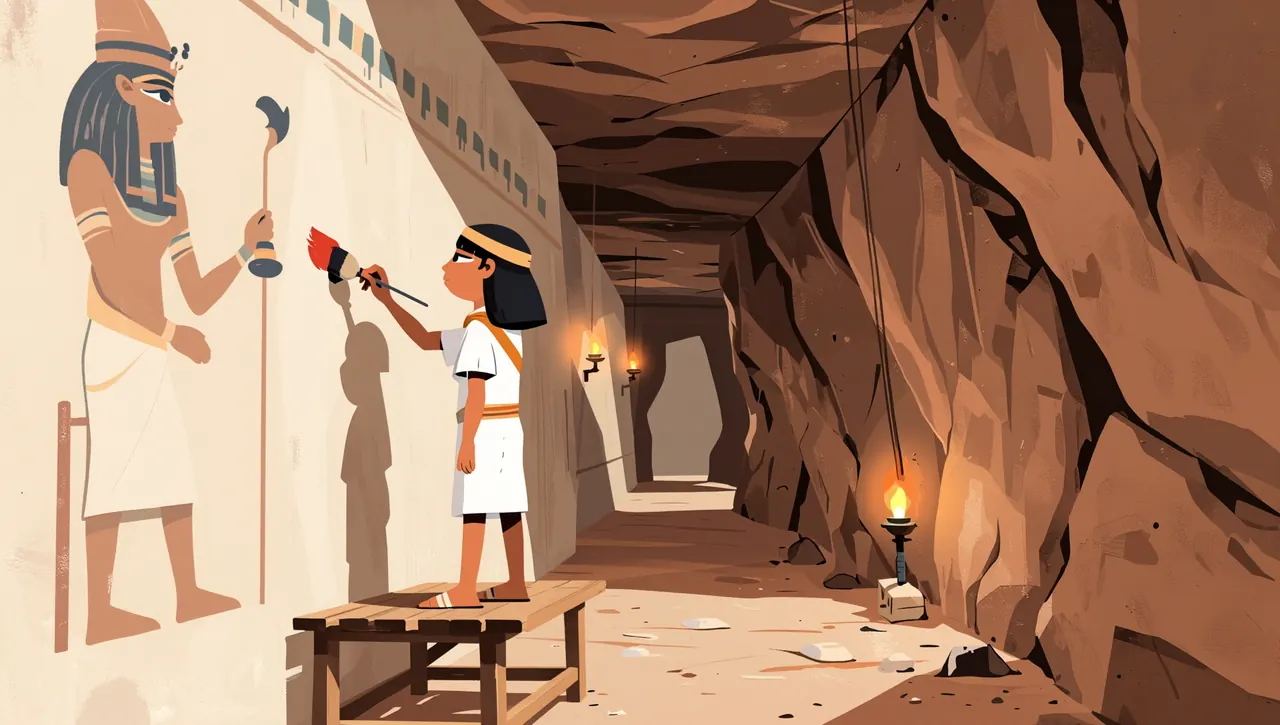
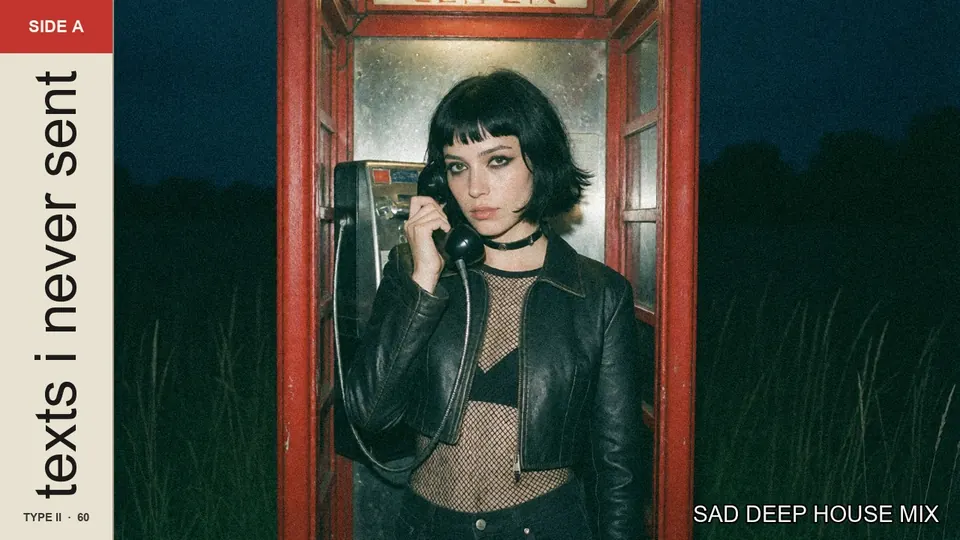
Own projects: video pipelines, Miks, the store, the channels.
Performance creatives for Facebook Ads in a media-buying team, in-house and remote. Early AI video work.
Logo animation, After Effects templates, ad video. Earlier: motion, video and sound since 2017.